
Mitsubishi Hyper-Heating INVERTER® heat pumps are designed to maintain strong heating output at low outdoor temperatures. Certain H2i models can continue operating in subzero conditions, which makes them suitable for Connecticut winters. This cold-climate capability is one reason they are widely installed in towns like Durham and Middlefield where natural gas is limited.
Mitsubishi systems use inverter-driven compressors that adjust speed instead of cycling fully on and off. This modulation reduces energy spikes, maintains steady indoor temperatures, and improves seasonal efficiency. Compared to single-stage systems, inverter heat pumps typically provide better temperature stability and lower operating costs.
Mini split performance depends heavily on installation quality. Correct refrigerant charge, properly torqued flare fittings, sealed line sets, and accurate load calculations all affect system lifespan and efficiency. In cold and humid climates like Middlesex County, professional Mitsubishi HVAC service and regular maintenance help prevent issues such as ice buildup, clogged condensate lines, and communication errors.
Durham, Connecticut, zip code 06422, is known for colonial homes along Main Street, rural properties near the Coginchaug River, and seasonal cottages close to Lake Beseck. Middlefield, 06455, shares that same New England character, with properties stretching toward Powder Ridge Mountain Park and Lyman Orchards. Many homes in these towns do not have access to municipal natural gas. Heating oil and propane remain common. That reality makes Mitsubishi Electric heat pump systems a practical solution for electrification and long term energy control.
Homeowners searching for Mitsubishi hvac service in Durham, CTusually ask one direct question first. What does a Mitsubishi mini split cost? The honest answer depends on layout, equipment type, electrical capacity, and installation complexity. A realistic range for a professionally installed Mitsubishi M-Series ductless mini split in Durham or Middlefield typically falls between several thousand dollars for a single zone and significantly higher for multi zone systems serving entire homes. Exact pricing requires a home evaluation.
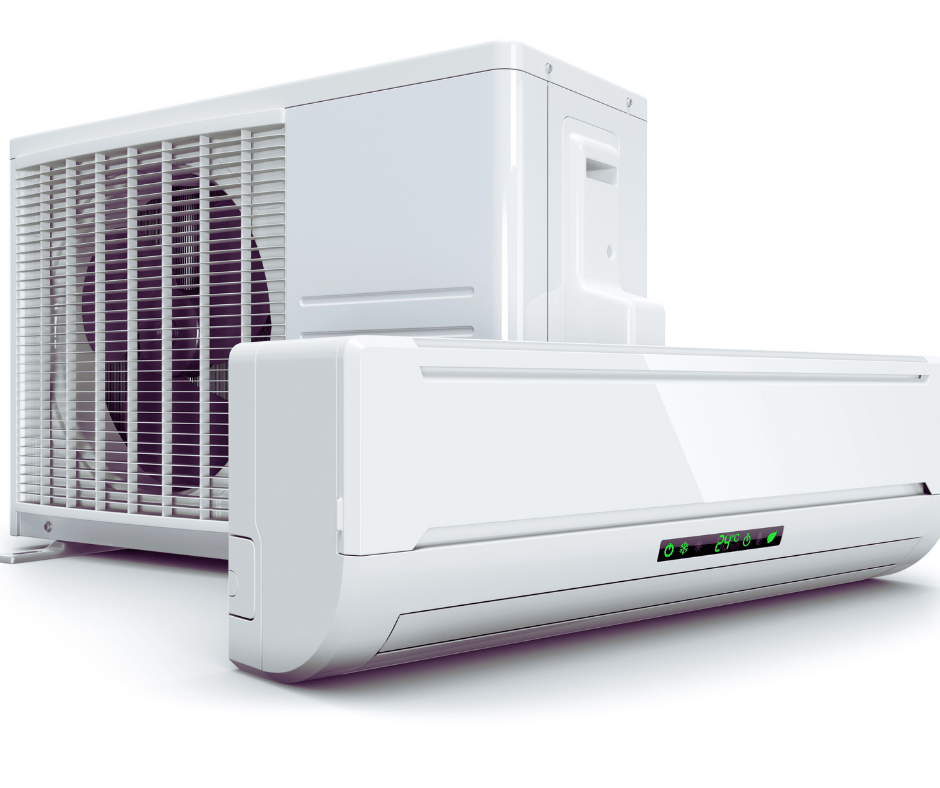
Middlesex County winters bring freezing rain, snow accumulation, and temperatures that regularly dip below 20°F. Mitsubishi Hyper-Heating INVERTER® H2i technology is engineered to deliver stable heating capacity even when outdoor temperatures approach -13°F. That performance matters in neighborhoods such as Durham Center and Middlefield Village where older oil boilers struggle with efficiency.
Mitsubishi Electric Trane HVAC US, often called METUS, manufactures inverter-driven heat pumps designed for precise output control. Instead of cycling on and off like traditional systems, an Inverter Compressor adjusts speed to match real demand. This reduces energy waste and stabilizes indoor temperatures.
In lakeside cottages near Lake Beseck, homeowners often deal with inconsistent room temperatures and limited ductwork. Zoned Comfort Solutions® allow each room to maintain its own setpoint. Wall-mounted units, floor-mounted units, or ceiling cassettes can be selected based on aesthetics and space constraints.
A single-zone Mitsubishi M-Series system, installed by a licensed CT HVAC contractor with S1 or S2 credentials, generally covers one room or open area. In Durham 06422, installed costs may range from roughly $4,500 to $7,500 depending on electrical upgrades, line set length, and mounting conditions.
A multi-zone configuration using multiple indoor air handlers connected to one outdoor condenser often falls between $9,000 and $18,000 or more. Larger properties near Powder Ridge or custom estates in Middlefield 06455 may require three to five zones. Equipment type influences cost. Ceiling cassettes and horizontal ducted units typically require additional labor and framing access compared to wall-mounted units.
Light commercial spaces near the Durham Fairgrounds or small retail buildings in Middlefield may use P-Series systems. Larger applications may incorporate CITY MULTI® VRF technology. Those systems are engineered for scalable performance and will reflect a higher equipment investment.
Mini split cost in Durham CT is not determined by equipment alone. Several factors shape the final investment.
Historic homes along Main Street Durham often require careful placement of line sets to preserve exterior character. Slimduct covers are selected to blend with siding. Laser alignment and proper flare fittings prevent refrigerant leaks and low refrigerant pressure errors.
In Middlefield's agricultural areas near Lyman Orchards, detached garages and barns may require separate zoning. Installing a condensate pump becomes necessary when gravity drainage is not feasible.
Upfront cost is only part of the equation. Operating cost matters long term. Mitsubishi heat pumps achieve high seasonal energy efficiency ratios. Inverter-driven operation means the compressor rarely runs at full capacity for extended periods. Instead, it modulates.
Oil heated homes in Durham often see meaningful reductions in heating expense after switching to electric heat pumps. Exact savings depend on insulation quality, utility rates, and thermostat settings. Energize CT rebates further influence financial return. Incentives for qualifying high-efficiency heat pumps can offset thousands of dollars from installation cost.
Direct Home Services guides homeowners through Energize CT programs and financing options. Financing spreads cost over time, making electrification accessible for families in the 06422 and 06455 corridors.
Homeowners frequently ask whether a Mitsubishi mini split can truly heat a Connecticut home in January. Hyper-Heating INVERTER® H2i systems maintain rated capacity at 5°F and continue producing heat below that threshold. Ice buildup on the condenser during freezing rain events is common across Middlesex County. These systems include defrost cycles engineered to manage frost without damaging components.
Factory Trained Technicians inspect for clogged outdoor air intake, verify refrigerant levels, and evaluate Inverter Compressor performance. If a system produces low heat output, technicians analyze low refrigerant pressure or thermostat communication errors before recommending replacement parts.
Durham and Middlefield feature varied architecture. Colonial homes may prefer floor-mounted units that resemble classic radiators. Modern homes near Powder Ridge often favor ceiling cassettes that disappear into drywall. Horizontal ducted units serve spaces where a concealed installation is preferred.
Mitsubishi's i-see Sensor® uses 3D thermal imaging to scan room temperature distribution. This technology helps eliminate hot and cold spots. For homeowners who notice inconsistent room temperatures near the Coginchaug River or drafty lakeside areas, this feature adds measurable comfort control.
Mitsubishi HVAC service remains critical after installation. Annual cleaning of indoor air handler filters prevents airflow restriction. Technicians inspect the condensate pump, confirm flare fittings remain tight, and verify no drain line blockage exists.
Common service calls in Durham include clogged drain lines during humid summers, noisy outdoor units caused by debris, and app connectivity issues with the Kumo Cloud® interface. Direct Home Services provides master-level support for Kumo Cloud® configuration and wireless remote controller setup.
As a Mitsubishi Diamond Elite Contractor, Direct Home Services can offer a 12-Year Extended Parts and Compressor Warranty on qualifying installations. This extended warranty is available only through Diamond status providers. It covers the Inverter Compressor and internal components beyond standard terms.
Homeowners often compare Mitsubishi Electric systems to alternatives from Trane, Carrier, or LG. While all major manufacturers produce ductless units, Mitsubishi Electric Trane HVAC US remains a recognized leader in inverter heat pump technology. Zoned Comfort Solutions® and long-term reliability drive many Durham homeowners toward Mitsubishi.
The difference between entry-level mini splits and premium H2i systems becomes evident during freezing weather. Lower-tier units may lose heating capacity as temperature drops. Hyper-Heating systems maintain output at colder thresholds, which reduces reliance on backup heat.

Light commercial properties in Middletown, Wallingford, Guilford, Madison, Meriden, and Haddam also rely on Mitsubishi P-Series and CITY MULTI® VRF systems. These systems support zoning across offices, retail shops, and small hospitality spaces. Multi-zone cooling allows precise control for varied occupancy schedules.
Durham businesses near the Durham Fairgrounds benefit from inverter-driven efficiency during seasonal events. Lower operating noise also matters in quiet New England town centers.
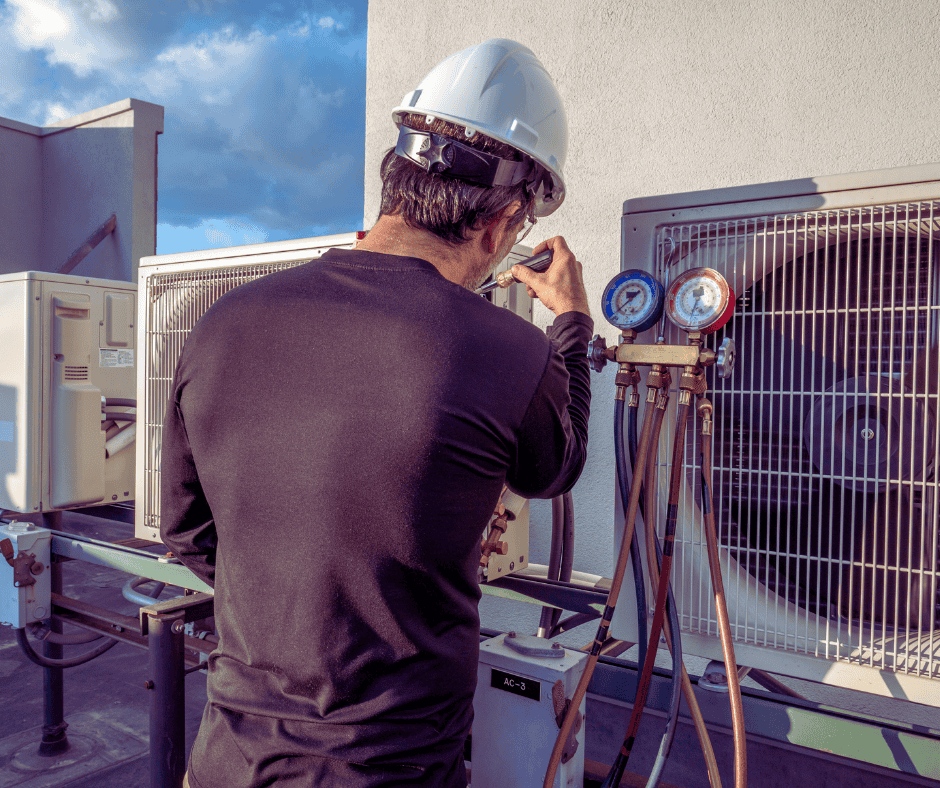
Installation quality directly impacts cost and long term performance. A licensed CT HVAC contractor with S1 or S2 credentials understands Middlesex County building codes and electrical requirements. Proper vacuum procedures, correct torque on flare fittings, and accurate refrigerant charge determine reliability.
Direct Home Services employs NATE Certified technicians trained specifically on Mitsubishi Electric systems. As a Family Owned company serving Middlefield and Durham, the team provides rapid emergency dispatch within 06422 and 06455. Proximity to Lyman Orchards allows fast response to the agricultural community and surrounding rural homes.
Mini splits work best in homes without ducts, additions that central systems cannot reach, or properties transitioning away from oil and propane. They are effective in older farmhouses, lake cottages, and renovated barns common throughout Middlefield and Durham.
They may not suit every layout. Extremely large open homes may require multiple condensers or supplemental systems. An in-home evaluation determines sizing based on square footage, insulation, window exposure, and air leakage.

Homeowners in Durham CT who are comparing Mitsubishi mini split cost should request a formal load calculation and site assessment. Online estimates cannot evaluate electrical panels, mounting conditions, or zoning requirements.
Direct Home Services offers free comfort consultations for Middlefield and Durham residents. During that visit, technicians review insulation levels, discuss electrification goals, and outline potential Energize CT rebates. The result is a written proposal with clear equipment breakdown and installation scope.
Mitsubishi HVAC service in Durham and Middlefield is not simply about installing equipment. It is about transitioning homes toward quiet, inverter-driven comfort built for New England weather. When designed correctly, a Mitsubishi mini split delivers heating, cooling, zoning control, and long-term reliability across Middlesex County.
Families ready to reduce oil dependency and gain precise zoned comfort can contact Direct Home Services to schedule their consultation. Factory Trained Technicians, Diamond Elite status, and local expertise across the 06422 and 06455 communities ensure a system designed for performance and longevity.
Redirect to:
 |
|

Marunouchi, where most Mitsubishi companies are headquartered
|
|
|
Native name
|
三菱グループ |
|---|---|
|
Romanized name
|
Mitsubishi Gurūpu |
| Formerly |
List
|
| Industry | |
| Founded | 1870[1] |
| Founder | Yatarō Iwasaki |
| Headquarters |
,
Japan
|
|
Area served
|
Worldwide |
| Services | |
|
Number of employees
|
1,310,000 |
| Subsidiaries |
List
|
| Website | mitsubishi.com |
The Mitsubishi Group (三菱グループ, Mitsubishi Gurūpu) is a Japanese multinational conglomerate.
Founded by Iwasaki Yatarō in 1870, the Mitsubishi Group traces its origins to the Mitsubishi zaibatsu, a unified company that existed from 1870 to 1946. The company, along with other major zaibatsu, was disbanded during the occupation of Japan following World War II by the order of the Allies. Despite the dissolution, the former constituent companies continue to share the Mitsubishi brand and trademark.
While the group of companies engages in limited business cooperation, most notably through monthly "Friday Conference" executive meetings, they remain formally independent and are not under common control. The three main entities (gosanke) are MUFG (the largest bank in Japan), Mitsubishi Corporation (a general trading company), and Mitsubishi Heavy Industries (a diversified manufacturing company).[3] A 2020 estimate concluded that all the Mitsubishi companies combined generate 7.7% of the total revenue of all publicly traded companies in Japan, and the group's assets amount to 433 trillion yen.[4]

The Mitsubishi company was established as a shipping firm by Iwasaki Yatarō (1834–1885) in 1870 under the name "Tsukumo Shokai" (九十九商会).[5] In 1873, its name was changed to Mitsubishi Shokai; Mitsubishi (三菱) consists of two parts: "mitsu" (三) meaning "three" (as in the three oak leaves from the crest of the Yamauchi or Tosa family that ruled over Yatarō's birthplace and employed him) and "hishi" (菱, which becomes "bishi" under rendaku) meaning "water caltrop", and hence "rhombus", which is reflected in the company's logo. It is also translated as "three diamonds".[6]
Mitsubishi was established in 1870, two years after the Meiji Restoration, with shipping as its core business. Its diversification was mostly into related fields. It entered into coal-mining to gain the coal needed for ships, bought a shipbuilding yard from the government to repair the ships it used, founded an iron mill to supply iron to the shipbuilding yard, started a marine insurance business to cater for its shipping business, and so forth. Later, the managerial resources and technological capabilities acquired through the operation of shipbuilding were used to expand the business further into the manufacture of aircraft and equipment. The experience of overseas shipping led the firm to enter into a trading business.[7]

In 1881, the company bought into coal mining by acquiring the Takashima Mine, followed by Hashima Island in 1890, using the production to fuel their extensive steamship fleet. They also diversified into shipbuilding, banking, insurance, warehousing, and trade. Later diversification carried the organization into such sectors as paper, steel, glass, electrical equipment, aircraft, oil, and real estate. As Mitsubishi built a broadly based conglomerate, it played a central role in the modernization of Japanese industry.[8] In 1894, Hisaya Iwasaki succeeded his uncle Yanosuke as president. During his tenure until 1916, he modernised the Nagasaki Shipyard and developed Marunouchi as a business district.[9]
Hisaya was succeeded by his cousin Koyata in 1916, and during his time as president the group saw a significant expansion. In 1917, he funded the establishment of an optics company and became the majority shareholder, which later became Nikon.[10] During this era, Mitsubishi Heavy Industries was at the forefront of Japan's aircraft development.[11] He reorganised the group into a form similar to what it is now, and he spun off each department into a subsidiary. Most of them later went public, as he thought that for the sake of the expansion of business, more core capital was needed.[12]
The firm's prime real estate holdings in the Marunouchi district of Tokyo, acquired in 1890, were spun off in 1937 to form Mitsubishi Estate, now one of the largest real estate development companies in Japan.[13]
During the Second World War, which was often advertised in government propaganda as a total war, Mitsubishi was a key player in the nation's wartime economy. Educated in England and having many business friends and partners in the Anglosphere, Koyata was opposed to fighting a war against the Allies. However, he famously stated in his speech on 10 December 1941 that once the country had decided to wage a war with the United States and the British Empire, each member of the company ought to serve the country in fulfilling its only goal, but the company should not forget what it owed to people in these countries.[14][15]

Arguably, one of the most tangible ways in which Mitsubishi was involved in the war was through its supply of ships, aircraft and other arms by Mitsubishi Heavy Industries. The Mitsubishi A6M Zero fighter, designed by Jiro Horikoshi was the primary fighter of the Imperial Navy.[16][17][18] Production of these equipments made Mitsubishi factories one of the main targets for Allied attacks, and in one factory the death toll among its workers amounted to 494 in just a week.[19] Mitsubishi Mining was involved in the forced labour of Allied prisoners of war and people from Japan's colonies and occupied territories such as parts of China. The company's Iizuka mine counted 19 deaths of Chinese labourers during the war.[20] In 2015, Mitsubishi Materials (formerly Mitsubishi Mining) compensated 3,765 Chinese labourers who were conscripted to the company during the war and apologised to ex-American prisoners of war.[21][22] Mitsubishi was involved in the opium trade in China during this period.[23]
After the Second World War, under the Allied Occupation's policy to dissolve zaibatsu, the Mitsubishi conglomerate underwent significant restructuring. Until the Cold War made the Eastern Bloc more menacing than the possible revival of a strong Japan and Germany, the occupation forces’ initial aim, just like in Germany, was to weaken the Japanese economy so that the country could never wage war against them.[24] Under this policy, Mitsubishi as a group was dissolved.[25] Mitsubishi Heavy Industries and Mitsubishi Chemical were split into three separate entities.[26][27] On his deathbed, Koyata Iwasaki staunchly defended his actions, asserting that he had done his utmost for his country and had nothing to be ashamed of. Despite his resistance, he could not defy the tide of the times.[28] His cousin, Hisaya Iwasaki, president of Mitsubishi Partnership Company at the time, expressed his frustration with the situation, noting that the company had been stripped bare, leaving only his ancestral land in Tosa and a mausoleum in Tokyo. His main residence in Shitaya was requisitioned by the American military, and Hisaya had to temporarily rent rooms in his former house.[29]
Due to the zaibatsu dissolution, Mitsubishi Estate was split into two companies, Kanto Real Estate and Yowa Real Estate. Yowa Real Estate owned a significant portion of the land between the Imperial Palace and Tokyo Station, including the Marunouchi Building. In 1952, an incident occurred where two men, Kuniichiro Fujiami and Shomitsu Tajima, who were closely linked to infamous yakuza, attempted to take over Yowa Real Estate by becoming majority shareholders, as the market capitalisation of the company was significantly less than its real estate holdings. They greenmailed, and other Mitsubishi companies had to buy the shares from them at an unjustly high price. This incident accelerated Mitsubishi's reintegration.[24] In 1954, Mitsubishi Corporation was reformed, and the Mitsubishi Friday Club was established to foster camaraderie and information exchange among the chairpersons and presidents of major Mitsubishi companies. By 1964, Mitsubishi Heavy Industries also reemerged.[26] The Friday Club symbolised the formation of an equal group of companies, rather than the revival of the pre-war Mitsubishi zaibatsu with Mitsubishi Headquarters at the apex.[24]
In 1970, Mitsubishi companies established the Mitsubishi Foundation to commemorate the centennial anniversary of the founding of the first Mitsubishi company. The companies also individually maintain charitable foundations. Mitsubishi pavilions have been highlights of expositions in Japan since EXPO'70 in Osaka in the 1970s to 1980s.

The Mitsubishi Group is made up of about 40 individual companies without a controlling parent company. Each of the Mitsubishi companies owns substantial (but usually not controlling) portions of the shares of the others.
Twenty-nine of the group companies participate in the Friday Conference (金曜会, Kinyō-kai), a luncheon meeting of their most senior executives held on the second Friday of each month. The group began its tradition of monthly executive meetings in 1952, and over time the meetings became a venue for coordinating policy between the group companies. By the 1990s, this practice was criticized (particularly by non-Japanese investors) as a possible violation of antitrust law. Since 1993, the Friday Conference has officially been held as a social function, and not for the purpose of discussing or coordinating business strategy. Despite this, the Friday Conference has been a venue for informal cooperation and coordination between the group companies, most notably in bailing out Mitsubishi Motors during the mid-2000s.[30]
In addition to the Friday Conference, the group companies' heads of general affairs hold a meeting on the third Monday of each month, and the group companies' legal and IP departments hold a trademark policy coordination meeting on the first Friday of each month.[30]
The company briefly dabbled in television during the early 1990s, when it agreed a deal with Westinghouse Broadcasting International to become the Japanese distribution representative.[31]
Three of the group companies are informally known as the "Three Great Houses" (御三家, Gosanke) and hold a separate coordinating meeting prior to each Friday Conference:[30]
Ten other "major" group companies participate in the coordinating meeting on a rotating basis (with six of the ten companies participating in any given month):[30]

|
Established 1870 by Iwasaki Yataro
|
||
| Advertising |
|
 |
| Aircraft | ||
| Automobiles | ||
| Chemicals | ||
| Consulting | ||
| Electronics | ||
| Finance | ||
| Food | ||
| Glass / Ceramics |
|
|
| Insurance | ||
| Machinery | ||
| Metallurgy | ||
| Mining | ||
| Paper | ||
| Petroleum | ||
| Real estate | ||
| Shipping / Logistics | ||
| Trading | ||
| Litigation | ||
| National | |
|---|---|
| Other | |


