Why Replacing Heating Oil with Ductless Systems Saves Big in Middlefield

Why Replacing Heating Oil with Ductless Systems Saves Big in Middlefield

A lot of Middlefield homes still run on heating oil, and every fall their owners watch the delivery truck pull up and the bill climb. Oil heat made sense when these houses were built, but at 2026 Connecticut oil prices the math has shifted, and for many homeowners a ductless conversion is now the clear way to cut that cost while adding cooling the house never had. Replacing an oil system with a ductless heat pump does two jobs at once: it takes the home off an expensive, price-volatile fuel and gives it efficient air conditioning for the humid central Connecticut summers. For a Middlefield property owner weighing that move, the savings come from how a modern ductless system works, not from marketing, and understanding that is the difference between a smart upgrade and an expensive guess. Direct Home Services handles this conversion across Middlefield and the surrounding Middlesex County towns.

Why Oil Heat Costs So Much in Middlefield

Heating oil has two problems that a homeowner feels directly. The first is price: oil is a delivered fuel with a market price that swings season to season, so a household budget that worked one winter can break the next. The second is how the heat is made. An oil furnace or boiler burns fuel to create heat, and combustion equipment is limited by the fuel it burns, so even a well-tuned oil system converts a fixed amount of fuel into a fixed amount of heat. There is no way to get more heat out of a gallon of oil than the burner allows.

A ductless heat pump works on a completely different principle, and that is where the savings start. Instead of burning fuel, it moves heat, using electricity to pull warmth out of the outdoor air and bring it inside, even when it is cold out. Because it moves heat rather than making it, a ductless system delivers far more heat energy than the electrical energy it consumes, commonly two to four times as much, a ratio the industry measures as the coefficient of performance, or COP, the simple comparison of heat delivered to energy used. That efficiency is the core reason a ductless system can cut a Middlefield home's heating cost well below what oil delivers, and it is a real engineering advantage, not a sales claim.

A Heat Pump Moves Heat Instead of Burning Fuel

Unlike an oil burner that creates heat by combustion, a ductless heat pump moves existing heat from the outdoor air into the home using electricity. Because it transfers heat rather than making it, it can deliver two to four units of heat for every unit of energy it uses, a ratio called the coefficient of performance, which is the core reason it can beat oil on operating cost.

Cold-Climate Mini-Splits Keep Working Far Below Zero

he old belief that heat pumps quit in cold weather no longer holds for cold-climate models. Quality cold-climate ductless heat pumps retain roughly 70 to 90 percent of their rated heating capacity in extreme cold and keep operating down to around minus 13 to minus 15 degrees, colder than central Connecticut's winter design temperature near zero, so many homes need no backup furnace.

The Federal Heat Pump Tax Credit Changed at the End of 2025

The federal Section 25C tax credit that homeowners used in prior years for heat pump installations changed at the close of 2025, which makes Connecticut's own programs the main incentive now. Energize CT and Eversource rebates on qualifying heat pump installations are the primary way a Middlefield homeowner offsets the cost of converting from oil, so it is worth confirming current incentives before budgeting.


Social Media & Citations

The Cooling a Ductless Conversion Adds for Free

Many older Middlefield homes that heat with oil have no central air conditioning, because they were built before cooling was standard and they have no ductwork to carry it. Their owners get through July with window units hauled out of the basement every summer. A ductless heat pump cools as well as it heats, so replacing an oil system with a ductless mini-split installation does not just lower the heating bill, it gives the home quiet, efficient central-style cooling it never had, without window units and without cutting ductwork into a finished house. For a homeowner who was facing the cost of adding AC anyway, that turns one project into two solved problems, which changes the value of the conversion entirely.

How a Ductless Mini-Split Installation Replaces Oil Heat

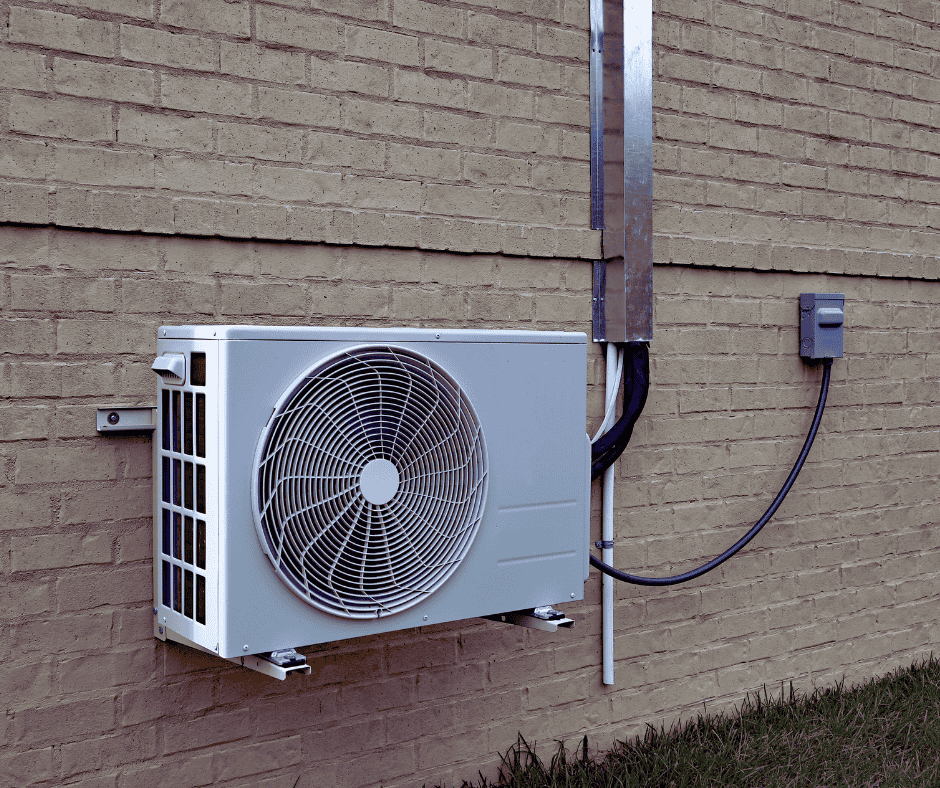
A ductless system has two main parts. Outdoors sits a condenser, the unit that exchanges heat with the outside air. Indoors, one or more air handlers, usually mounted high on a wall, deliver conditioned air directly to the rooms they serve, connected to the outdoor unit by a slim refrigerant line set that needs only a small hole through the wall rather than a network of ducts. That is what makes ductless the natural fit for an oil-heated Middlefield home, because the houses that ran on oil and hydronic baseboard heat almost never had ductwork, and a ductless mini-split installation brings them modern heating and cooling without the invasive construction a ducted system would require.

The design choice is how many zones the home needs. A single-zone system pairs one outdoor unit with one indoor head to handle a specific area, while a multi-zone system runs several indoor units off one outdoor condenser, each controlled independently so bedrooms, living areas, and a finished basement can hold their own temperatures. For a whole-home oil replacement, Direct Home Services sizes the system with a heat load calculation rather than a rule of thumb, because an oversized system short-cycles and wastes the efficiency that justified the conversion, and an undersized one struggles on the coldest nights. Getting that sizing right is the part that separates a system that performs from one that disappoints, and it is where a licensed contractor earns the work.

What Equipment Direct Home Services Installs

Direct Home Services is a Bryant Factory Authorized Dealer and installs and services the leading ductless lines, including cold-climate equipment from manufacturers such as Mitsubishi Electric, Fujitsu, and Daikin. The detail that matters for a Middlefield winter is the cold-climate rating. Modern cold-climate ductless heat pumps keep heating a home well below freezing, with quality units holding roughly 70 to 90 percent of their rated heating capacity in extreme cold and continuing to operate at outdoor temperatures as low as around minus 13 to minus 15 degrees, far colder than central Connecticut's winter design condition near zero. The team matches the equipment and the number of zones to the home and selects a unit with the cold-climate performance the local climate demands, so the system carries the house through the heating season without a backup furnace in most cases.

The Connecticut Climate and the Conversion Math

Central Connecticut sits in climate zone 5A, where the winter design temperature falls near zero degrees, the figure engineers use as the cold baseline a heating system must handle. That number used to be the argument against heat pumps, because older units lost their capacity in the cold. The cold-climate equipment available now changes that, holding most of its output at the temperatures a Middlefield winter actually reaches, which is the fact that surprises homeowners who still believe a heat pump cannot carry a New England house through January. A ductless mini-split installation built around a properly rated cold-climate system is a genuine replacement for oil heat in this climate, not a supplement that needs the oil burner kept as backup.

The conversion economics rest on Connecticut rebates more than on any federal program. Energize CT and Eversource offer rebates on qualifying heat pump installations that lower the upfront cost, and these state-level incentives are now the primary way a Middlefield homeowner offsets the price of going ductless. The federal heat pump tax credit that existed in prior years changed at the end of 2025, so any homeowner counting on incentives should confirm what is currently available rather than assume, and Direct Home Services helps clients understand the rebates that actually apply to their project. Between the lower operating cost against oil and the available state rebates, the payback on a ductless mini-split installation is what makes the conversion attractive, and the exact numbers depend on the home, the fuel use, and the system, which is why an in-home assessment is the only way to price it accurately.

What the Oil-to-Ductless Conversion Involves

Homeowners often assume that switching off oil means a disruptive demolition, and the reality is usually far simpler. The existing oil burner and tank can stay in place during the transition or be removed depending on the homeowner's plan, and the ductless system installs around the home's existing structure rather than through it. Because the indoor units mount on walls and the line sets run through small penetrations, a ductless mini-split installation in an older Middlefield home avoids the tear-out that adding ductwork would force, which is the single biggest reason these systems suit the colonial and mid-century houses common across the town.

The work starts with the heat load calculation that determines system size, followed by placement planning for the indoor units so each room gets even temperatures without an air handler in an awkward spot. Direct Home Services then sets the outdoor condenser, runs the refrigerant line sets and condensate drainage, makes the dedicated electrical connections that a heat pump requires, and commissions the system by verifying the refrigerant charge and confirming each zone performs. For a home leaving oil behind, that careful setup is what locks in the efficiency the conversion promised, because a ductless system that is charged wrong or sized wrong gives back the savings that justified replacing the oil in the first place.

Why the Installer Matters as Much as the Equipment

Two homes can get the same brand of ductless equipment and end up with very different results, because the performance of a heat pump depends heavily on the quality of the installation. A clean line-set flare, a correct refrigerant charge, properly sized units, and well-planned zone placement are what let the system deliver its rated efficiency in a real Middlefield winter. This is why the conversion belongs with a licensed Connecticut contractor rather than the lowest bid, because the refrigerant and high-voltage electrical work is code-regulated, and the difference between a careful installation and a rushed one shows up on every heating bill for the life of the system. Direct Home Services documents the systems it installs and remains the contractor a homeowner calls for service, so the work is accountable rather than handed off. A homeowner who has lived with an aging oil system for years knows the cost of a vendor who installs and disappears, and the value of a local contractor who answers when the system needs attention is part of what the conversion buys. That accountability matters most in the first winter after the switch, when a homeowner is learning how a heat pump heats differently from the oil burner it replaced and wants a knowledgeable team a phone call away.

Serving Middlefield and Middlesex County From Durham

Direct Home Services works from its Durham headquarters at 57 Ozick Dr, just minutes from Middlefield, reaching Middlefield, Rockfall, the Lake Beseck area, Durham, Middletown, Killingworth, and the surrounding Middlesex County and central Connecticut towns. That short distance matters for a ductless mini-split installation, because the company knows the older oil-heated housing stock around Middlefield and Lake Beseck and the way these homes are built, which informs where the indoor units go and how the line sets route through the house cleanly. A family-owned contractor with more than 40 years in the local trade brings firsthand knowledge of the homes a homeowner is asking it to convert, not a generic playbook.

Because Direct Home Services answers its phones 24/7 and handles heating, cooling, water heaters, and indoor air quality under one roof, a homeowner replacing oil heat with a ductless system in Middlefield keeps one contractor for the system's whole life, from the install through every service visit after. That continuity is part of the value, because the company that sized and installed the system is the same one that maintains it, rather than a homeowner starting over with a new vendor each time something needs attention. For a house coming off decades of oil heat, that single-source relationship is the kind of support the conversion deserves.

Why Middlefield Homeowners Choose Direct Home Services for Ductless Mini-Split Installation

Replacing oil heat with a ductless system is a major upgrade to a Middlefield home, and it belongs with a contractor who sizes it correctly, installs it cleanly, and stands behind it for years. Direct Home Services is a family-owned Connecticut HVAC contractor with more than 40 years of experience, headquartered in Durham and serving Middlefield and the broader Middlesex County and central Connecticut market. A Bryant Factory Authorized Dealer, licensed under HTG.0350018-S2, the team performs ductless mini-split installation using cold-climate equipment from leading manufacturers, sizes every system with a real heat load calculation, handles the oil-to-heat-pump conversion start to finish, and helps homeowners capture the Energize CT and Eversource rebates that apply to their project. The company answers its phones 24/7, offers a free in-home estimate with a written quote and financing, and supports the system long after the install. To find out what replacing your oil heat with a ductless mini-split installation would save in your Middlefield home, call Direct Home Services at (860) 339-6001 to schedule a free estimate.

Redirect to:


Frequently Asked Questions

Yes. Modern cold-climate ductless heat pumps are built for exactly this climate, holding roughly 70 to 90 percent of their rated heating capacity in extreme cold and continuing to operate at outdoor temperatures around minus 13 to minus 15 degrees, well below central Connecticut's winter design condition near zero. Sized correctly for the home, a cold-climate system carries a Middlefield house through the heating season as a full replacement for oil, not just a supplement. Direct Home Services handles the sizing and conversion.
The cost depends on the home's size, the number of zones, and the equipment, so a general range is not a substitute for a real quote. What changes the math is the operating-cost savings against oil plus Connecticut rebates from Energize CT and Eversource, which lower the upfront price on qualifying installations. The accurate way to price your specific home is an in-home assessment. Direct Home Services offers a free estimate with a written quote at (860) 339-6001.
Most older oil-heated homes were built with hydronic or baseboard heat and have no ductwork, so adding a ducted system means cutting ducts into finished walls and ceilings. A ductless mini-split avoids that. The indoor units mount on the wall and connect to the outdoor unit through a slim refrigerant line that needs only a small hole, which preserves the home's structure and finishes. That low-impact installation is the main reason ductless suits Middlefield's colonial and mid-century houses.